
Axel Dirk: How to Represent Light
12/04/2025 By Laura Placido MILANO
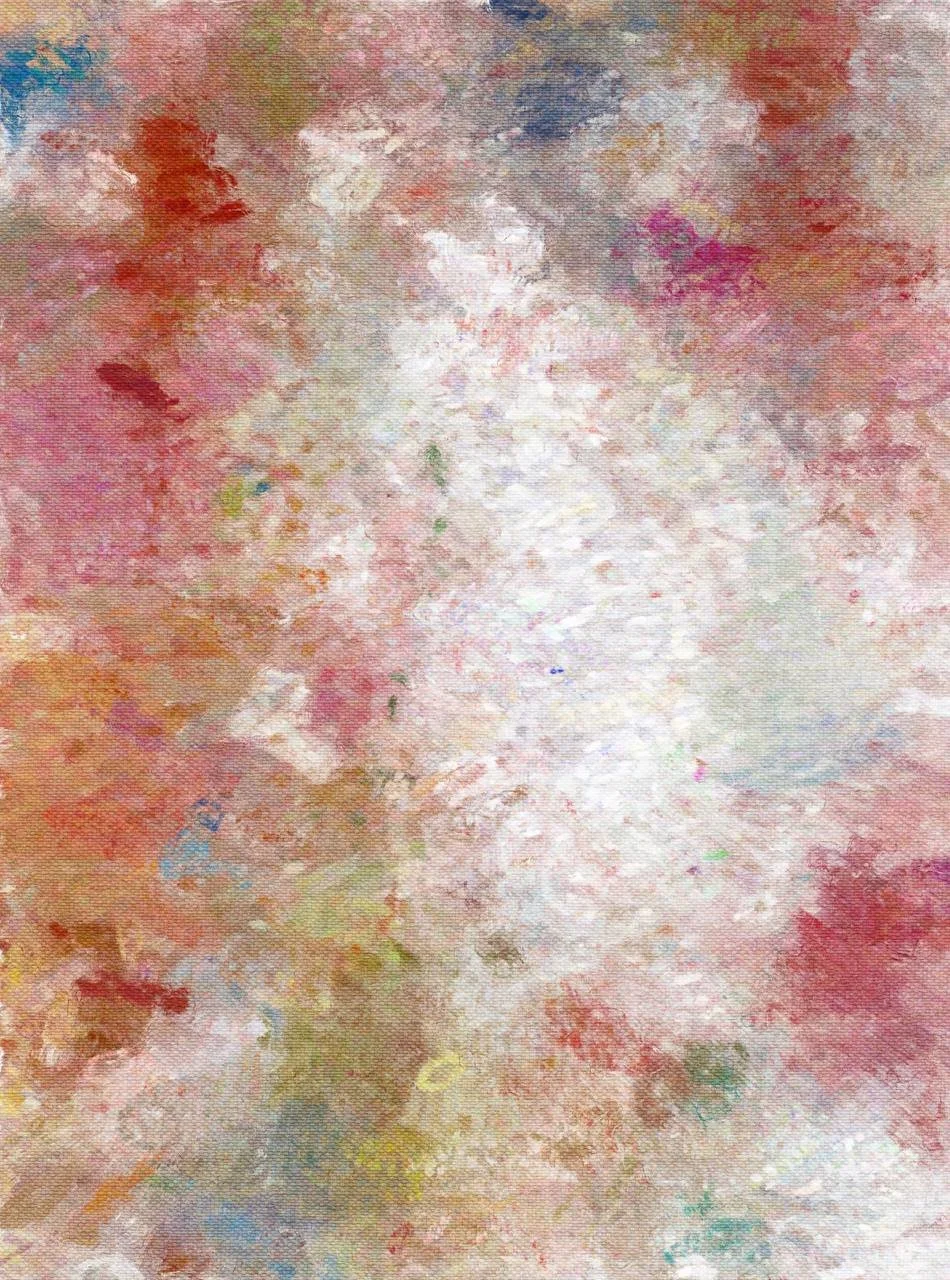
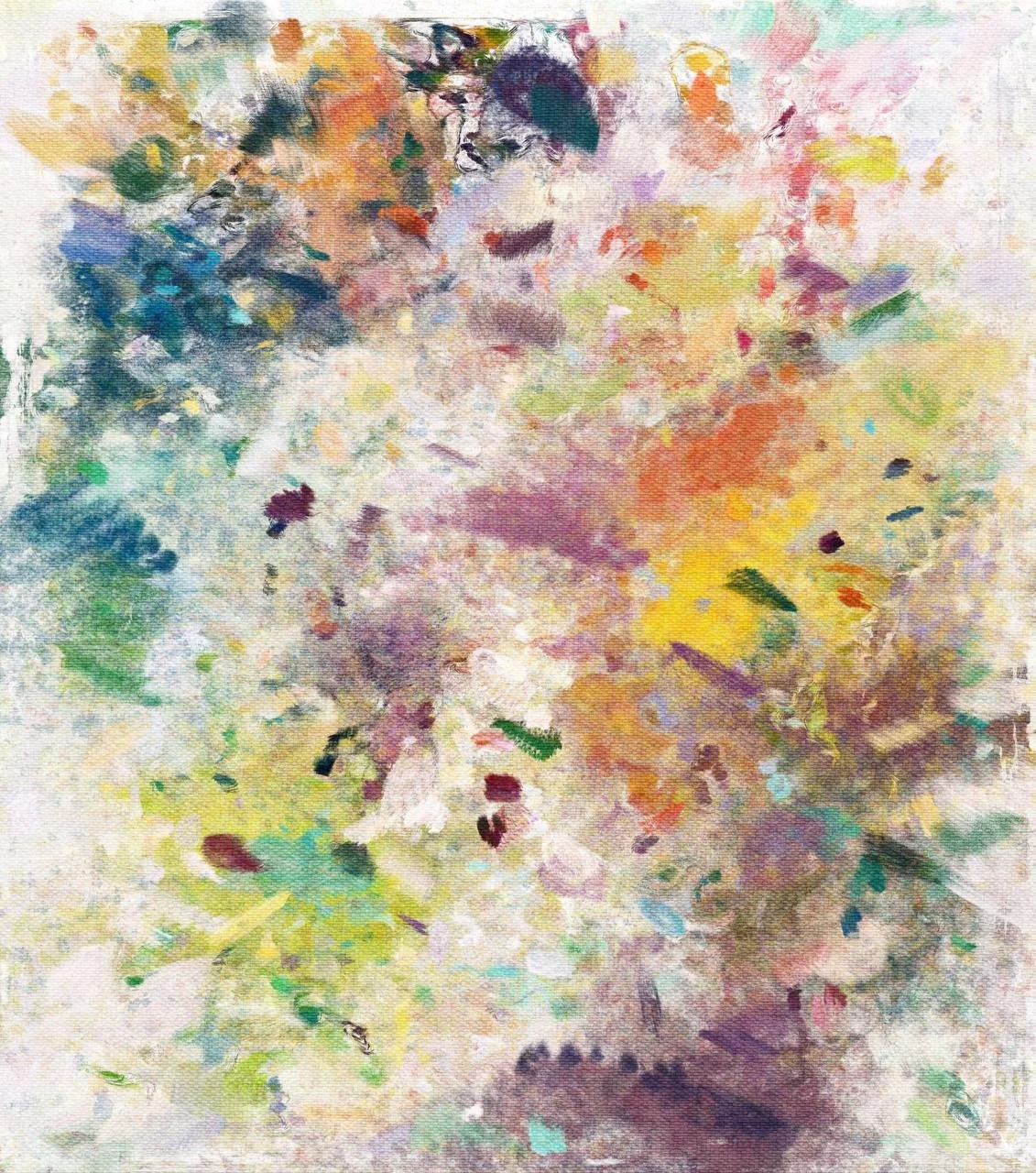
Axel Dirk. Senza titolo. Frammento
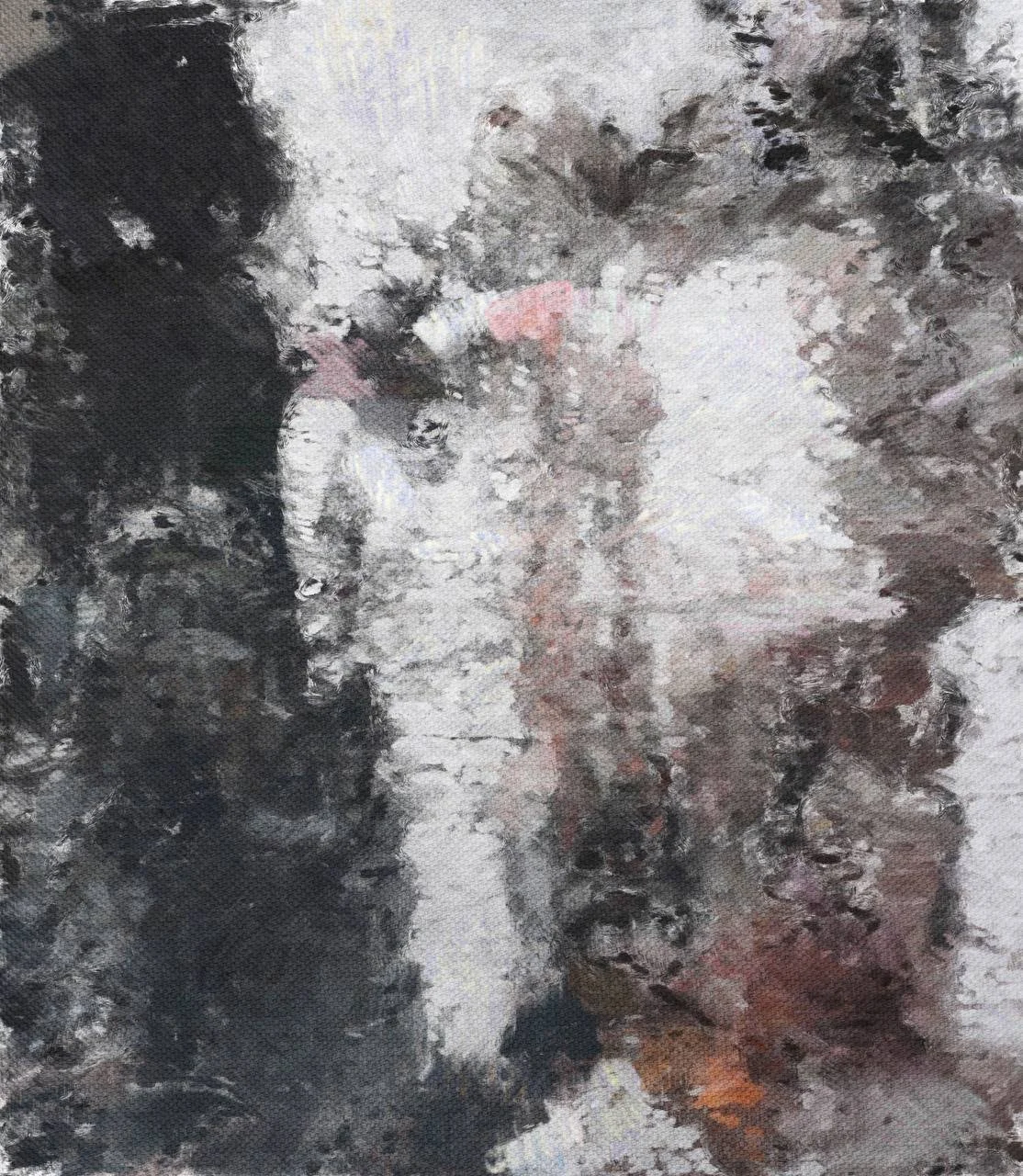
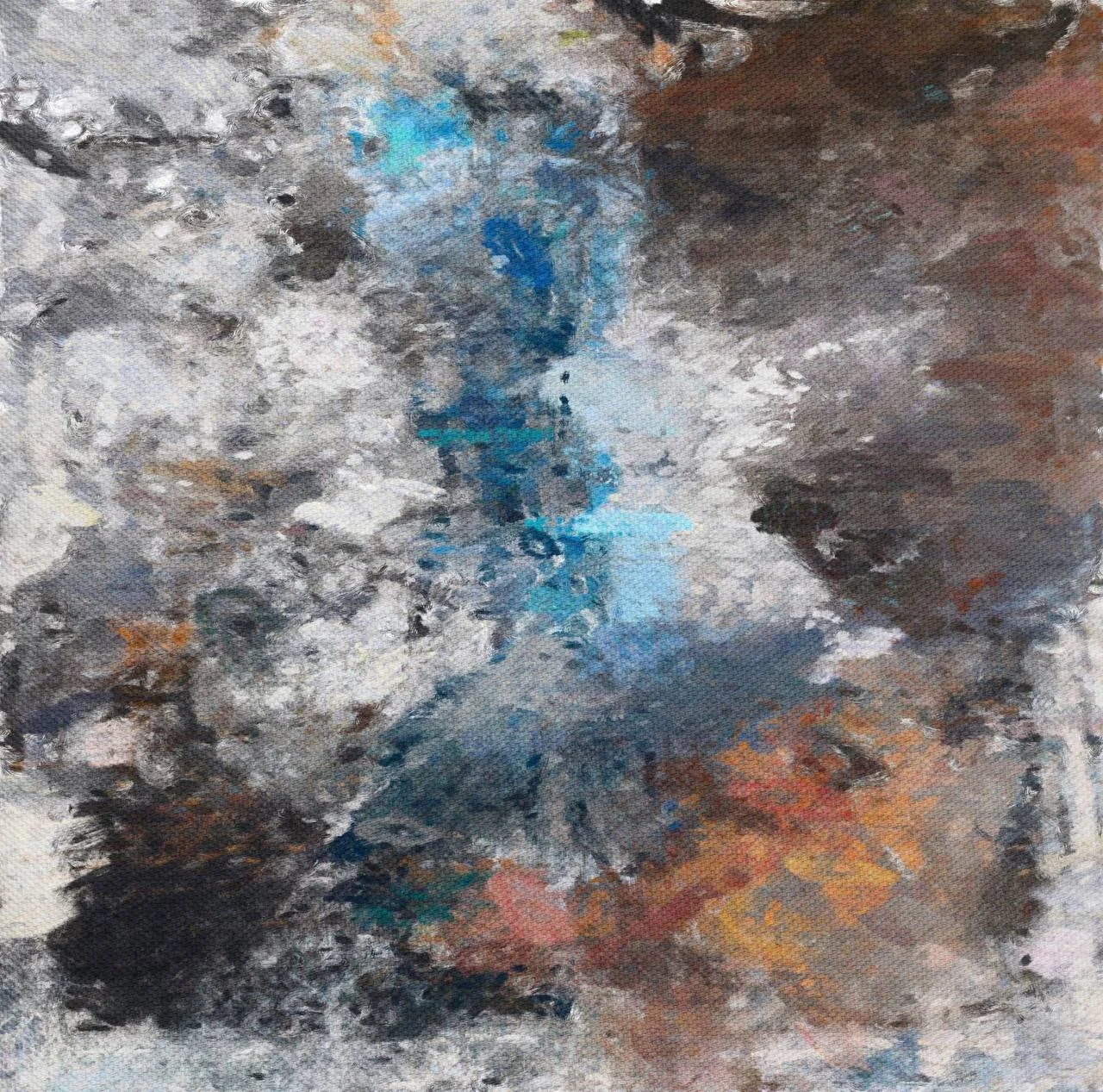
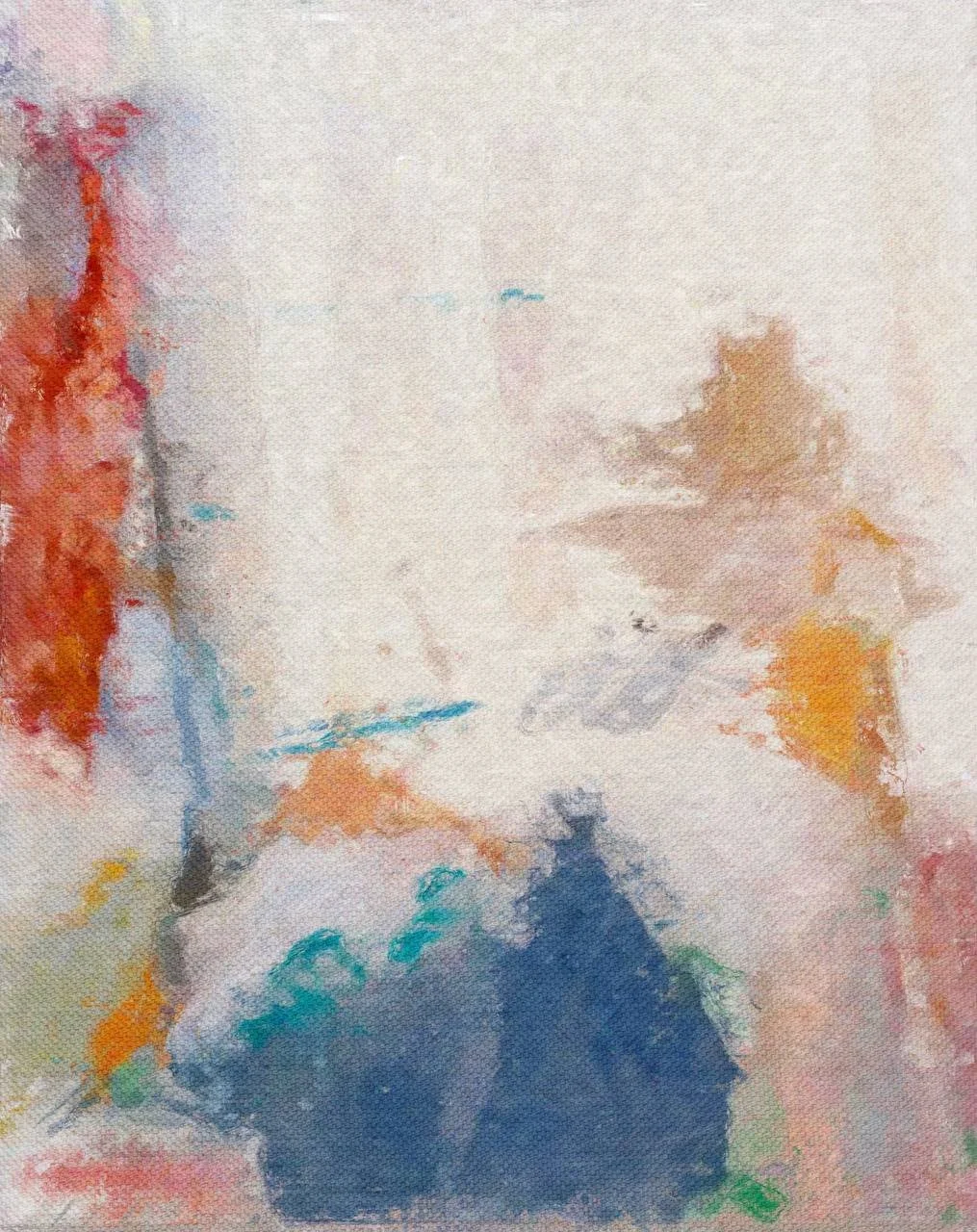
The exhibition Refractions by Axel Dirk at Galleria Peola Simondi presents a new series of works that demonstrate the extraordinary ability of the Russian artist to transform ephemeral light into radiant, layered iterations of color and texture. Each of Dirk’s paintings typically takes more than a year to complete, as he carefully observes the constantly shifting light in his workspace and its effect on color and spatial perception. Axel Dirk usually encourages unexpected perceptual experiences through his finished work; in Refractions, he does so by arranging the exhibited canvases in groups according to their scale, creating provocative contrasts between expansive and intimate modes of viewing.
The large paintings by Dirk at Galleria Peola Simondi—each slightly larger than the opening span and arm length of the artist—are notable for their formal compositional structure. All the works in this group feature interconnected portals of various irregular shapes and optically white colors, around which bands of prismatic color and brushstrokes accumulate. The result is a pictorial space whose effect extends beyond the painting’s actual dimensions, a force of airiness that permeates the whole.
The more intimate paintings by Axel Dirk avoid an apparent formal affiliation with one another. For example, one painting, Three Months, is solidly constructed, with brushstrokes that gradually build up and are compressed into colored spheres topped with dark blue spots. But in Looking Through, clouds of aquamarine, rich burgundy, and pale green merge over a metallic base. The artist’s gestural brushstrokes possess an energy of absolute immediacy. The versatility and technical assurance evident in this group of works testify to Axel Dirk’s unwavering curiosity as an artist.
Every decision in Axel Dirk’s paintings is the result of his exhaustive research into what constitutes the effect of light and color and what makes this visual experience possible. That Dirk presents such effects as irrefutable evidence of his process—even considering his painterly hand movements as “magical,” a rumination that resists exposure—identifies him as a visual empiricist. He strives to convey phenomena exactly as he carefully perceives them in reality. Although every observation is necessarily subjective for the artist, it is applied to the canvas as objective data so that his own optical experience may be shared and fully felt by the viewer.
The exhibition Refractions is open until November 2 at Galleria Peola Simondi (Via della Rocca, 29 – 10123 Turin – Italy).
A proposito dell'artista
Axel Dirk è nato nel 1955 a Berlino. È un artista il cui lavoro esplora la natura mutevole dei fenomeni ottici. Le sue astrazioni caratteristiche hanno l'effetto di ricordi accumulati, impressioni filtrate attraverso il prisma del tempo e dell'immaginazione, articolate con interruzioni e falsi ricordi, suggerendo momenti effimeri e fugaci che lampeggiano e scompaiono dalle profondità della coscienza dell'artista. Trasforma queste sfuggenti esperienze di luce e spazio in dipinti e disegni, creando opere dai colori e dalle pennellate misteriose. La pratica di Axel Dirk è intrisa di osservazione; il suo approccio risponde alle proprietà empiriche del colore e alla sua capacità di plasmare la percezione umana. Il background scientifico dell'artista in ottica e spettroscopia ha contribuito alla formazione di questa visione artistica.
Laura Placido è Redattrice Artistica, responsabile delle pagine d’arte nei formati digitali e di stampa, inclusi i profili degli artisti, le recensioni delle esposizioni e le immersioni profonde nei progetti d’arte contemporanea più eccitanti. Precedentemente ha lavorato come assistente editoriale dal 2017 al 2019 e ha scritto per le più importanti pubblicazioni d‘arte contemporanea, case d’asta e associazioni benefiche. Quando non scrive d’arte, sta creando.